Simulations are of considerable importance for the quantitative testing and validation of future automated driving functions. However, to reliably replace real test drives in public transport, a well-founded virtual representation of real traffic, and in particular its risk factors, is required.

The AVEAS project developed scalable and sustainable methods for the dedicated acquisition of critical situations in public traffic, and converting them into models for scenario generation and simulation. In order to draw founded conclusions about the safety of future driving functions in mixed traffic consisting of automated and human road users from data that can be collected today, AVEAS focuses on three situational risk aspects:
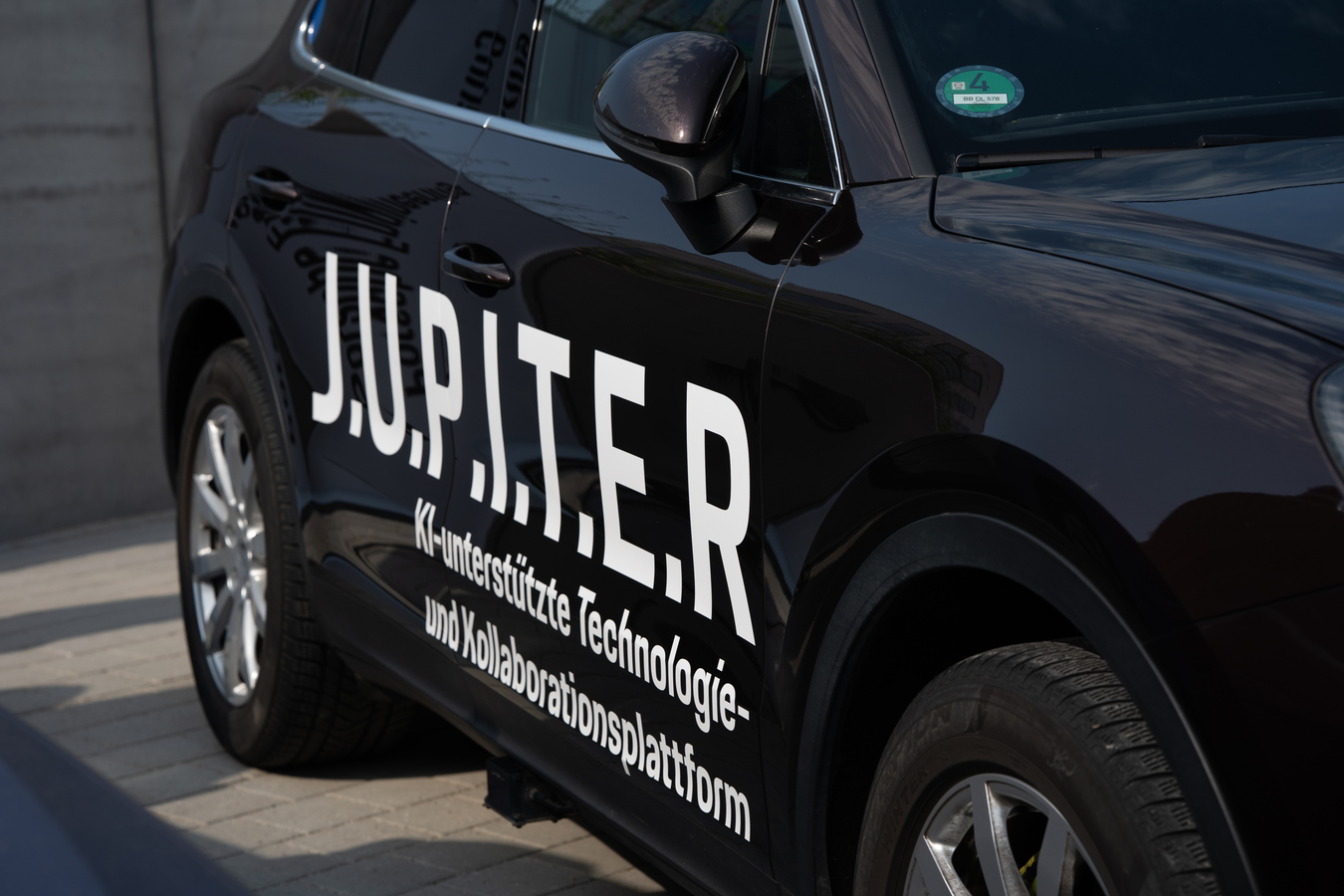
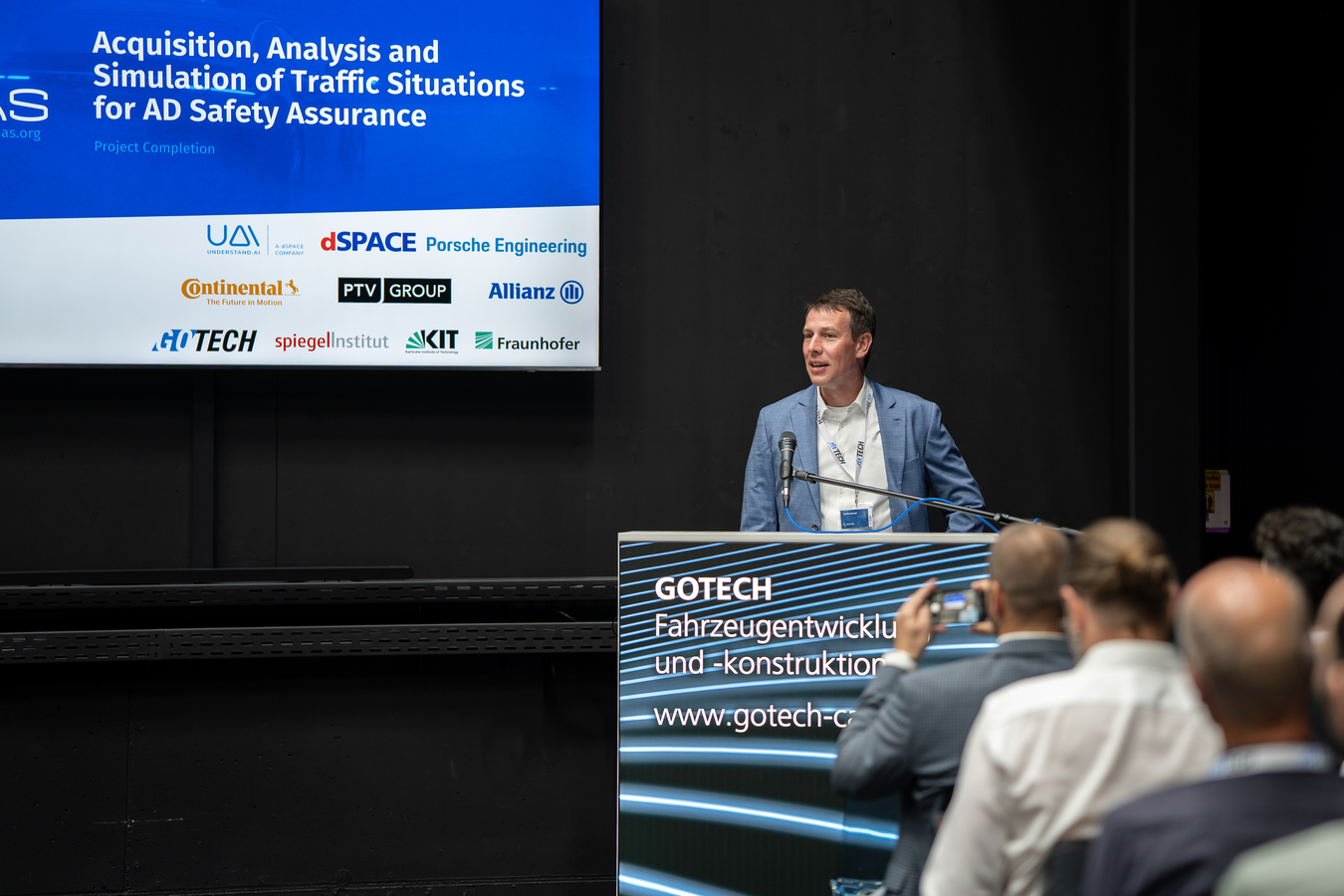
Find the latest insights into our results on our LinkedIn page.
LinkedIn page
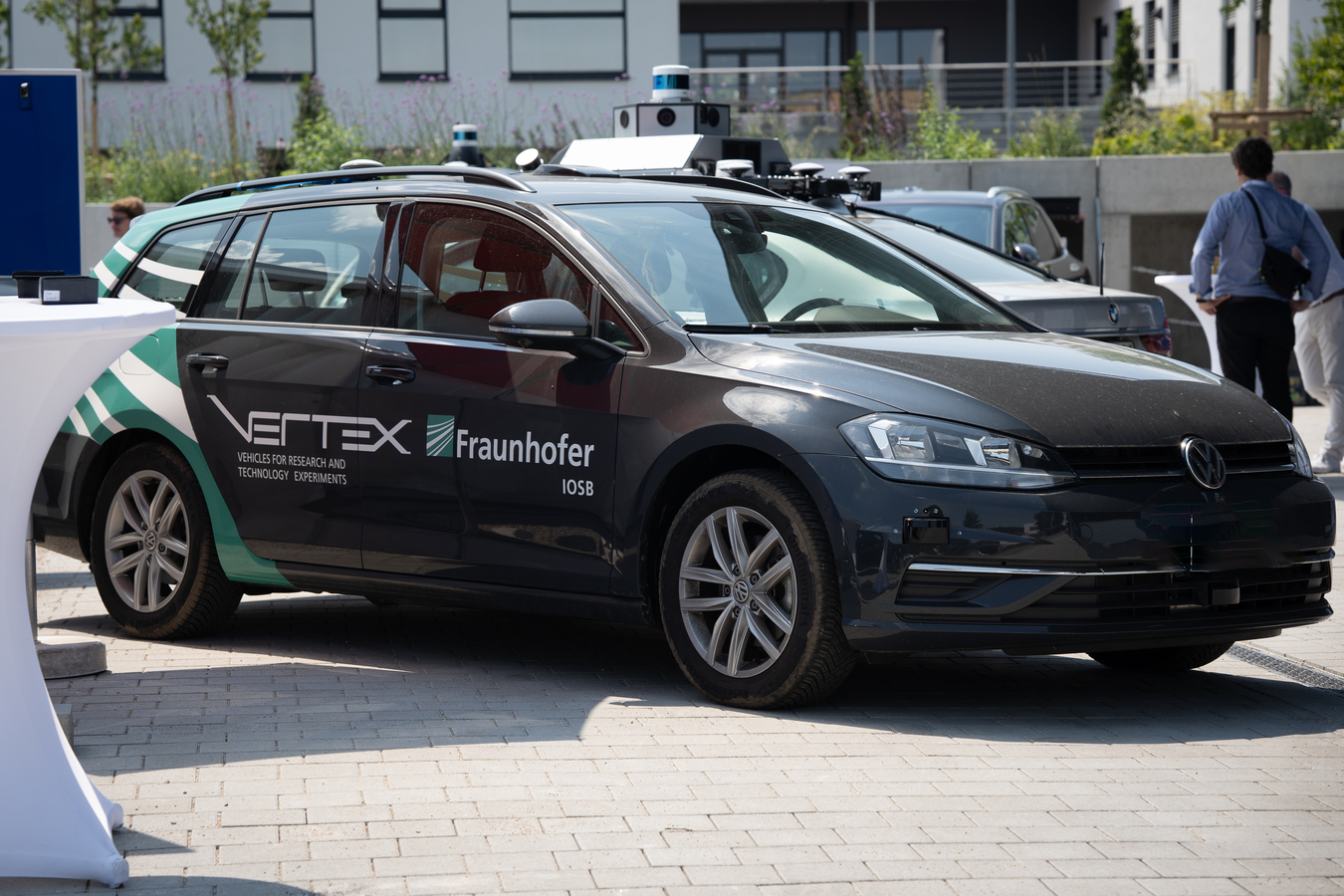
  • Firstly, interaction with human traffic behavior – through analysis of accident databases, large-scale and systematic real-world data acquisition using measurement vehicles, sensor infrastructure, and aerial videos, followed by the derivation of behavioral simulations.
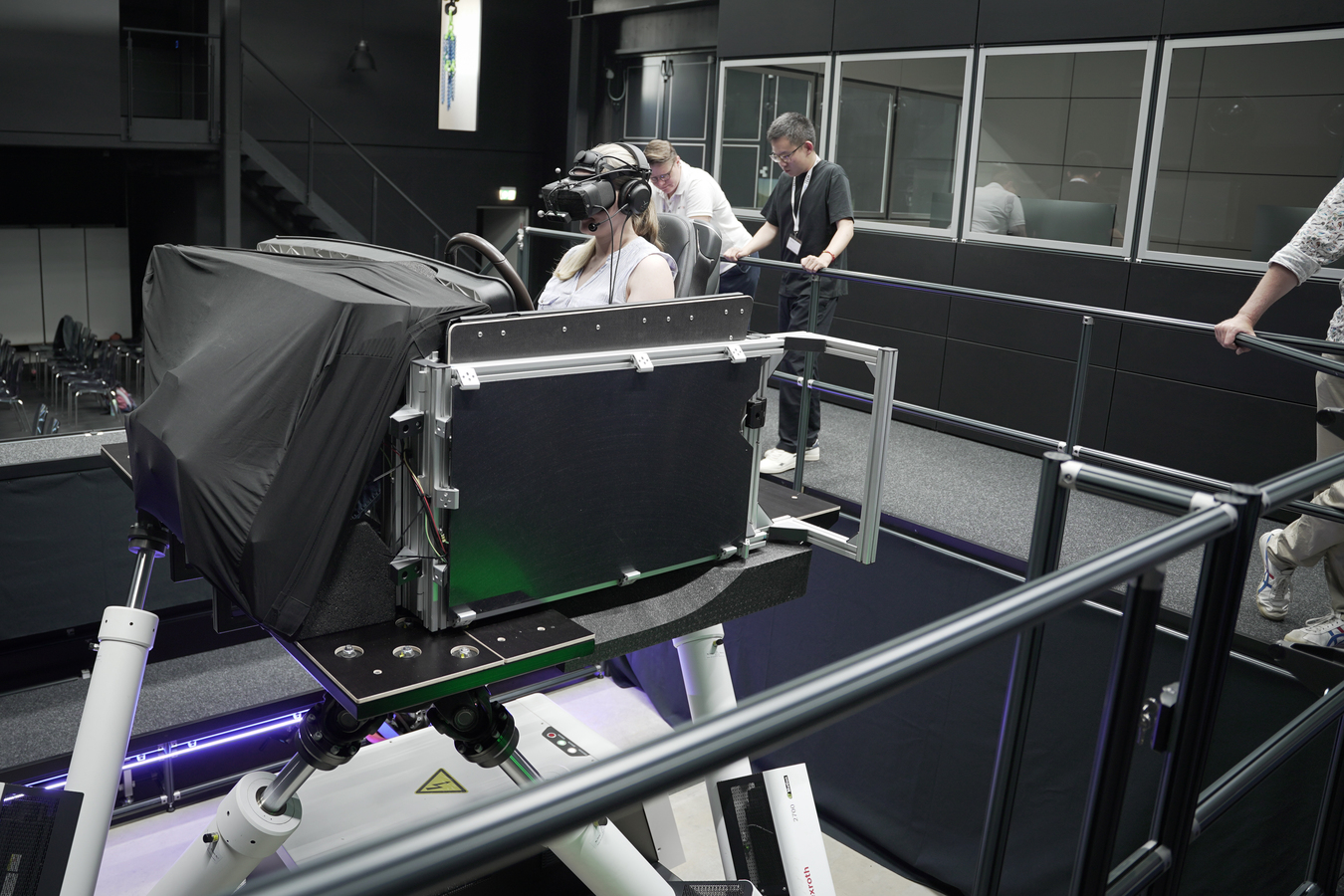
  • Secondly, the transitions of driving responsibility between automated driving functions and human occupants, i.e., factors of human-machine interaction (HMI) – through virtual test subject studies with corresponding HMI/interior concepts.
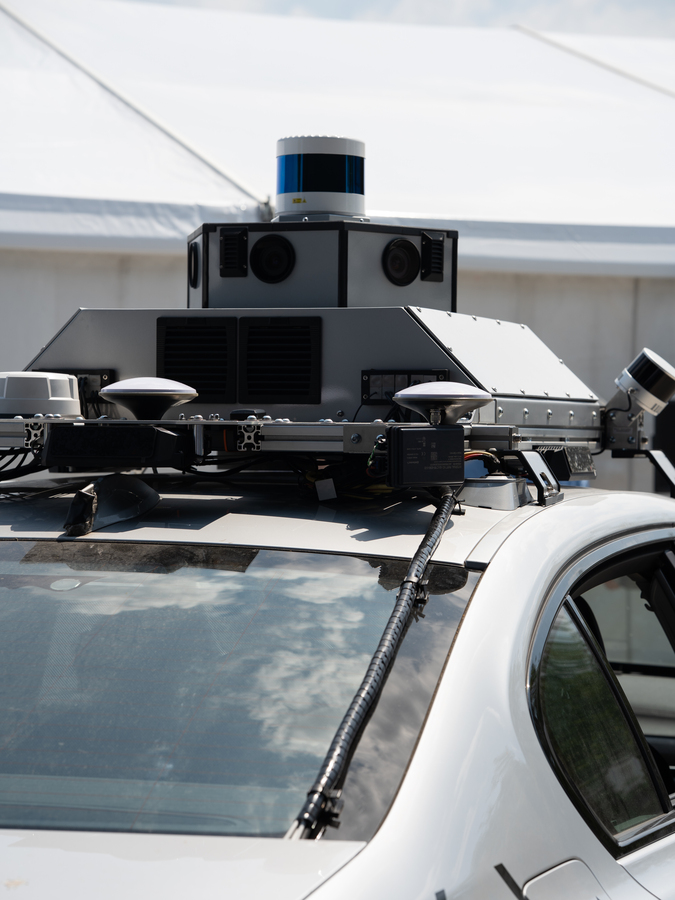
  • Thirdly, the peculiarities of automated perception and planning compared to human road users – through systematic collection of sensor data in challenging environments and analysis of the propagation of misinterpretations in the automated system.

In AVEAS, this chain was used to virtually test prototypical functions of future automated road vehicles at critical system limits in interaction with traffic. These functions include automated vehicle control on highways and in parking environments, as well as the event data recorder (EDR) for automated vehicles.

The project was successfully concluded in 2025. The results remain available here, and will be exended by subsequent developments.

Beyond the scope of the project, data and models are to be utilized in a permanent platform and the methodology for systematic real data collection for validation purposes is to be continued.

Further information

If you would like to learn more about the project, you can find further information here:

Publications LinkedIn page

Basic data

Duration December 2021 – May 2025
Budget 10 Mio. EUR
Funding 6.2 Mio. EUR
Funded by German Federal Ministry for Economic Affairs and Energy (BMWE)
Funded partners 12

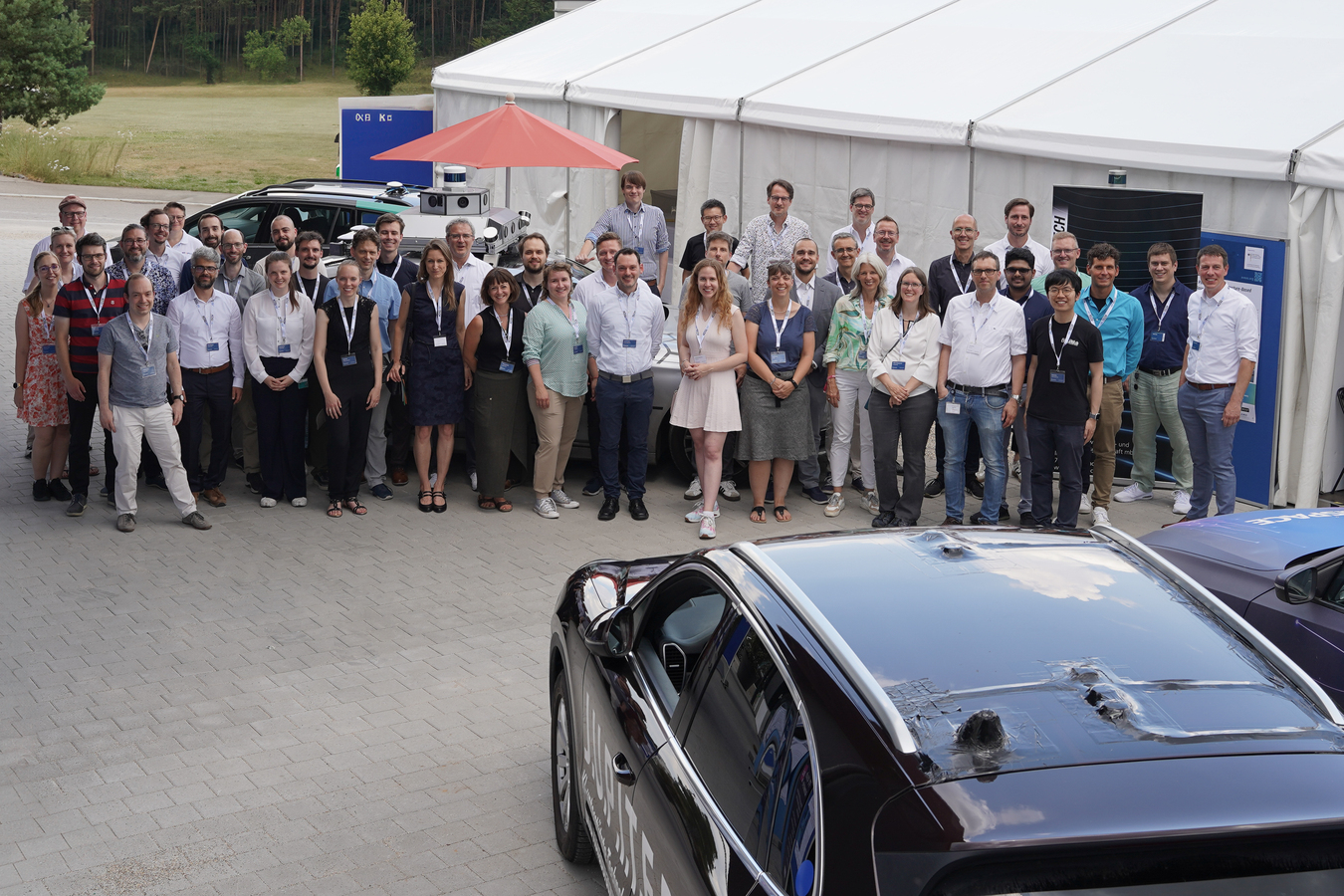
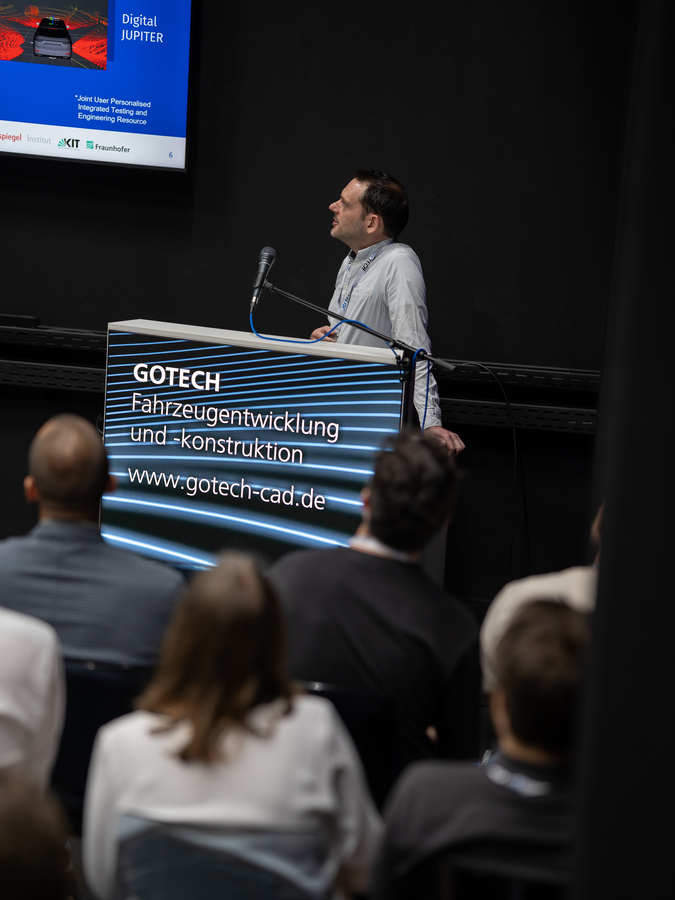
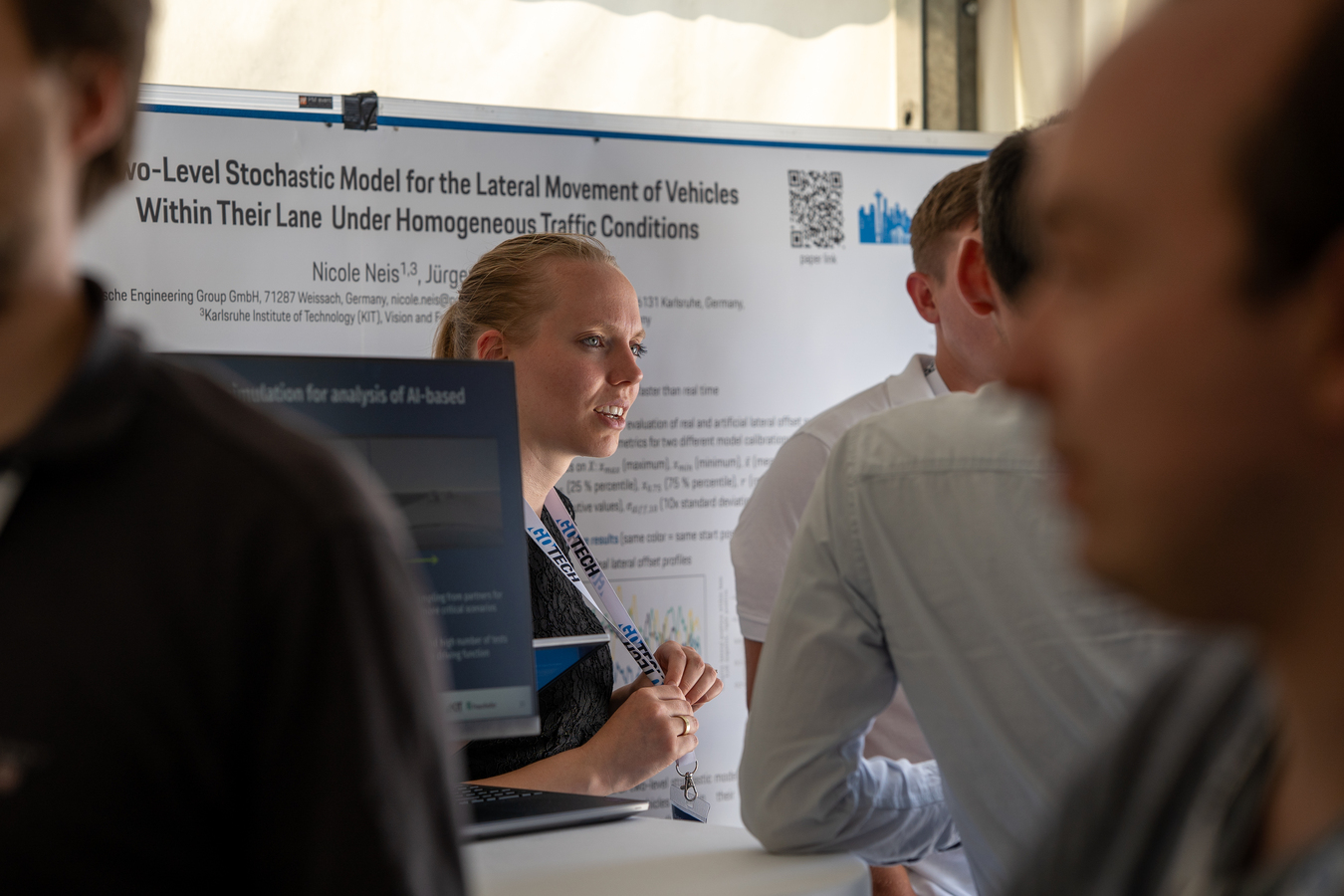
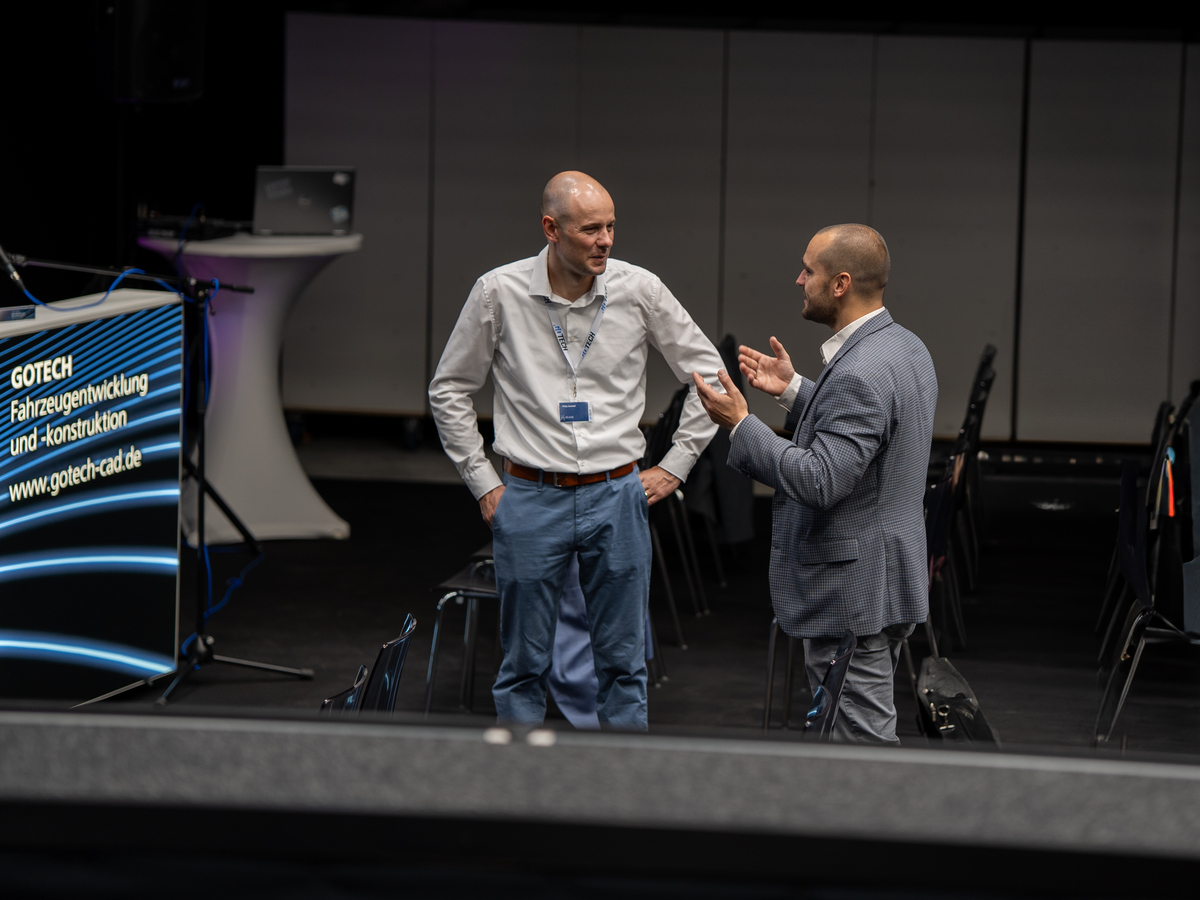
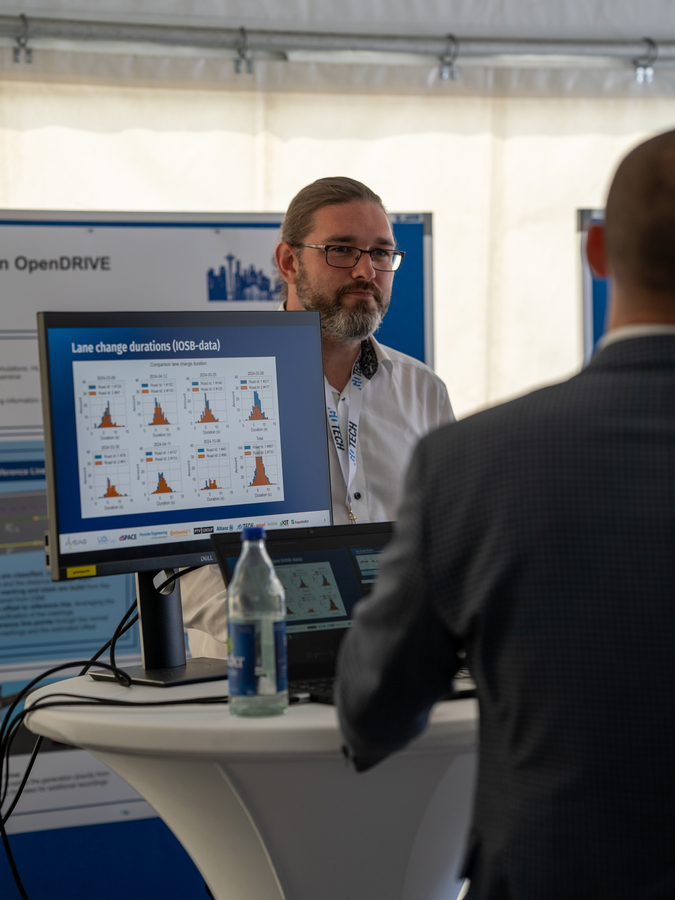
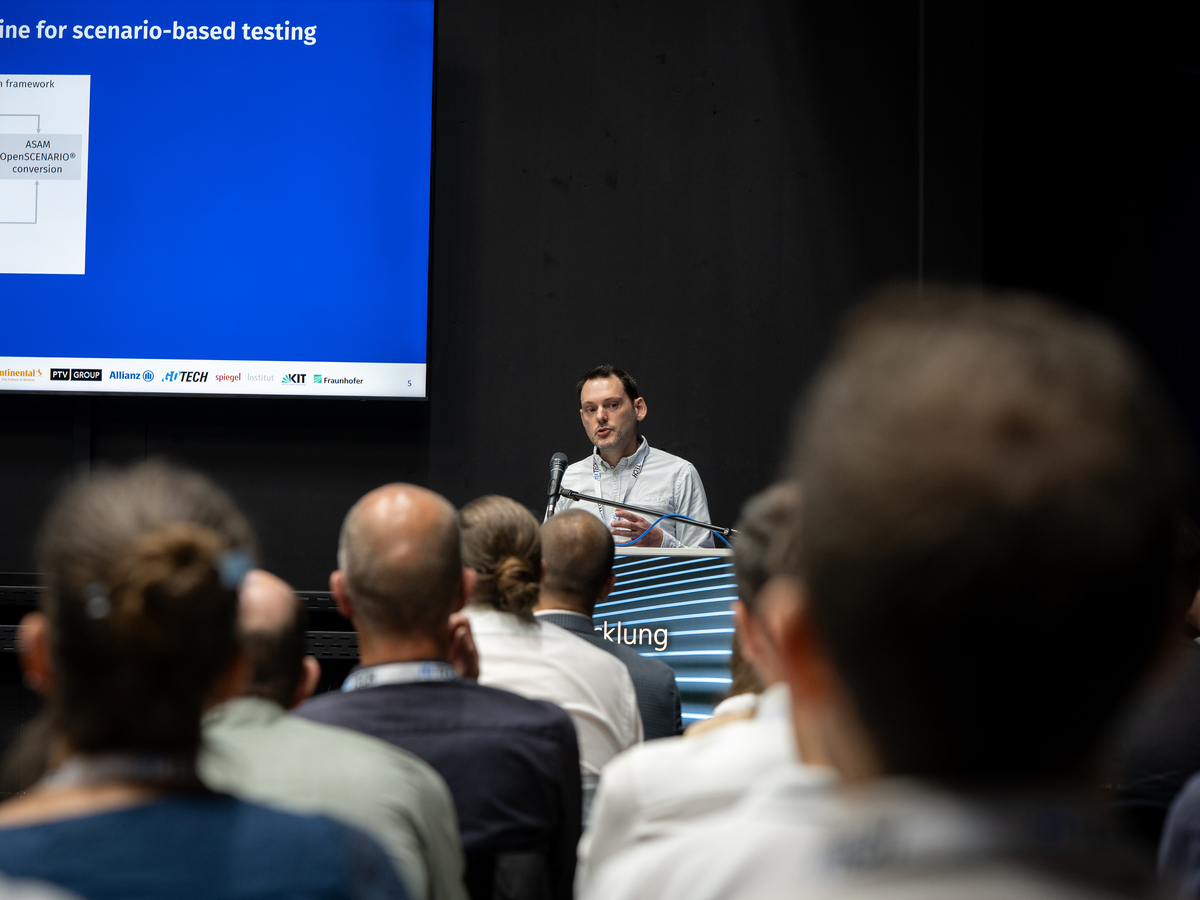
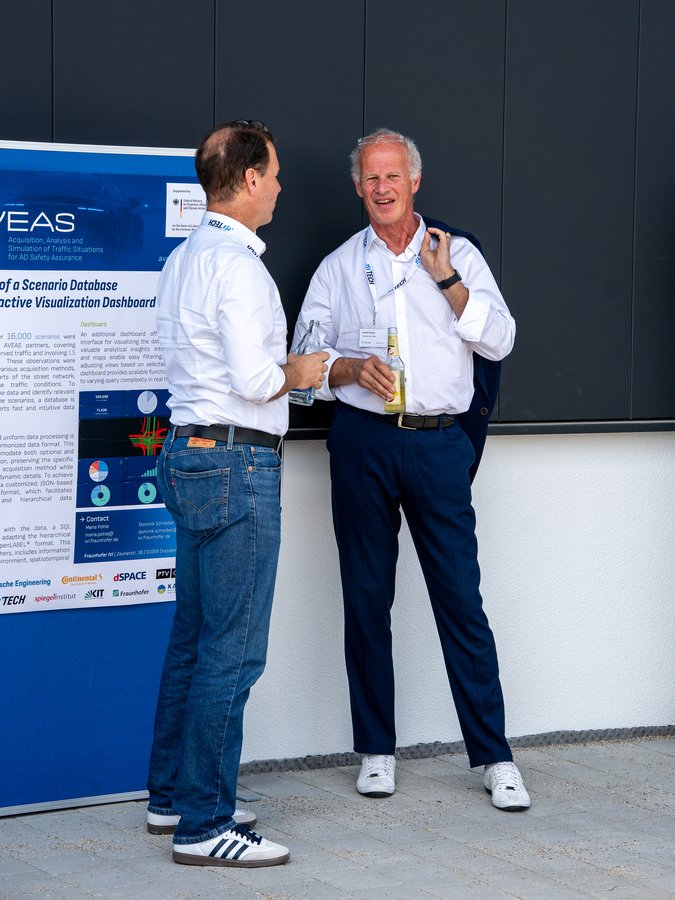
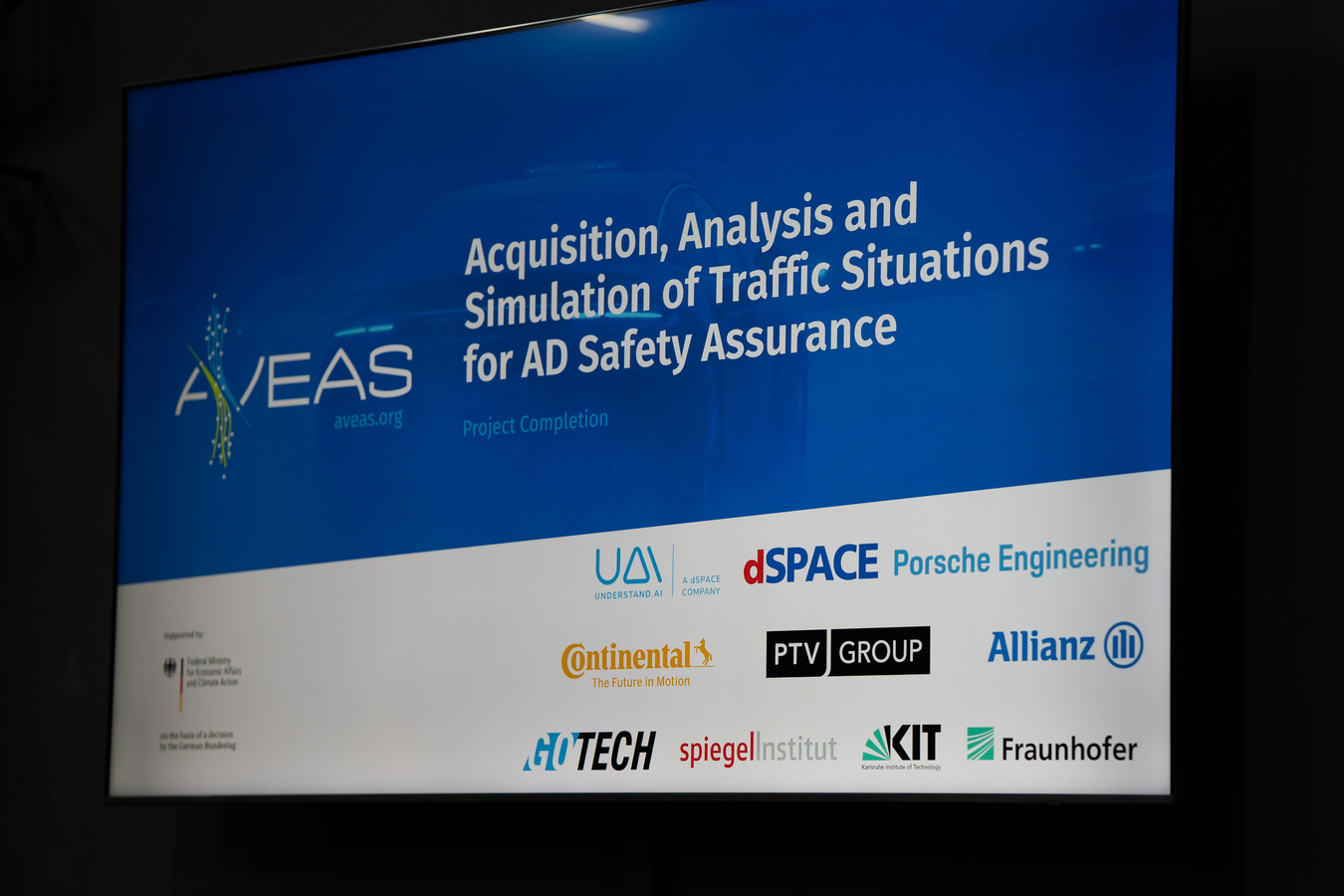
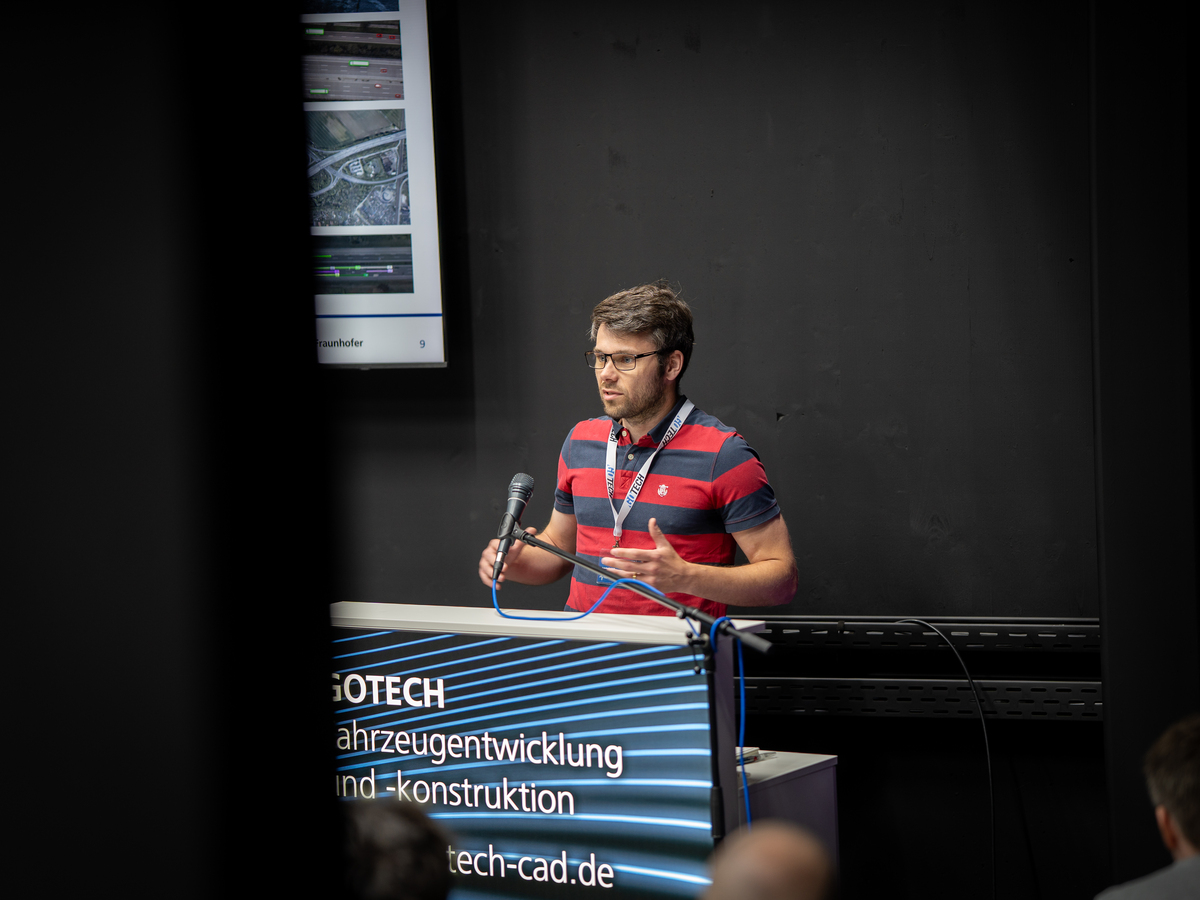
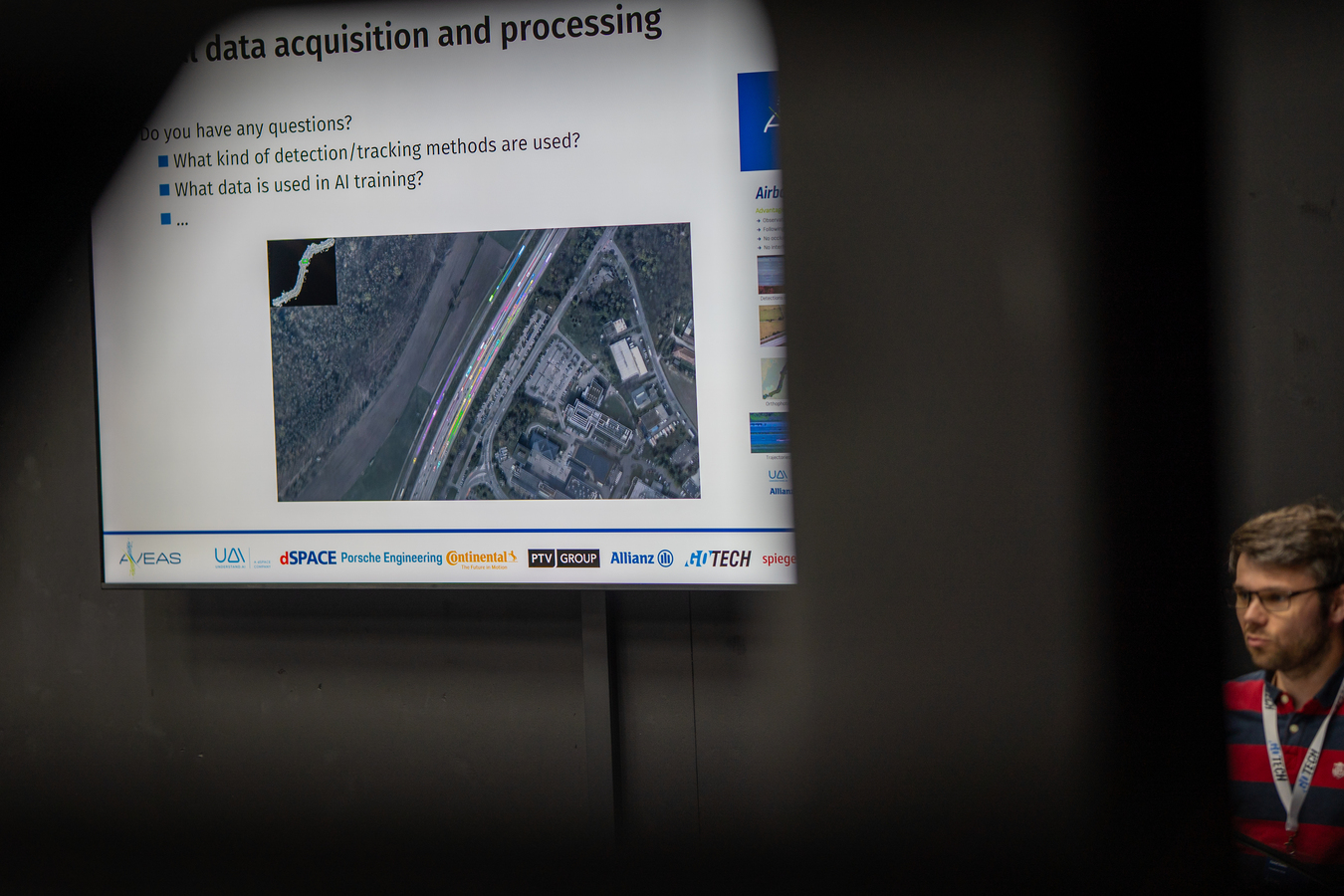
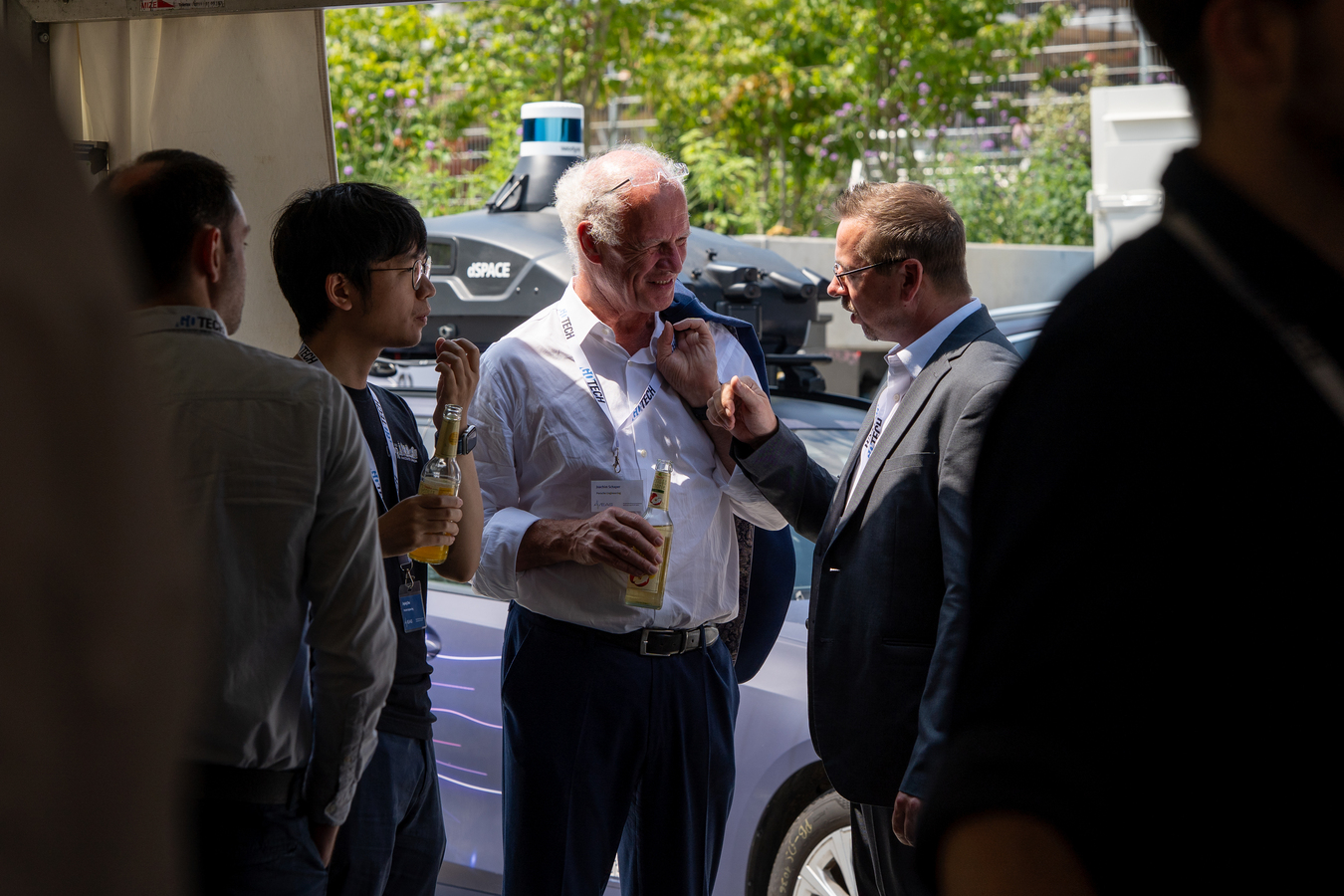
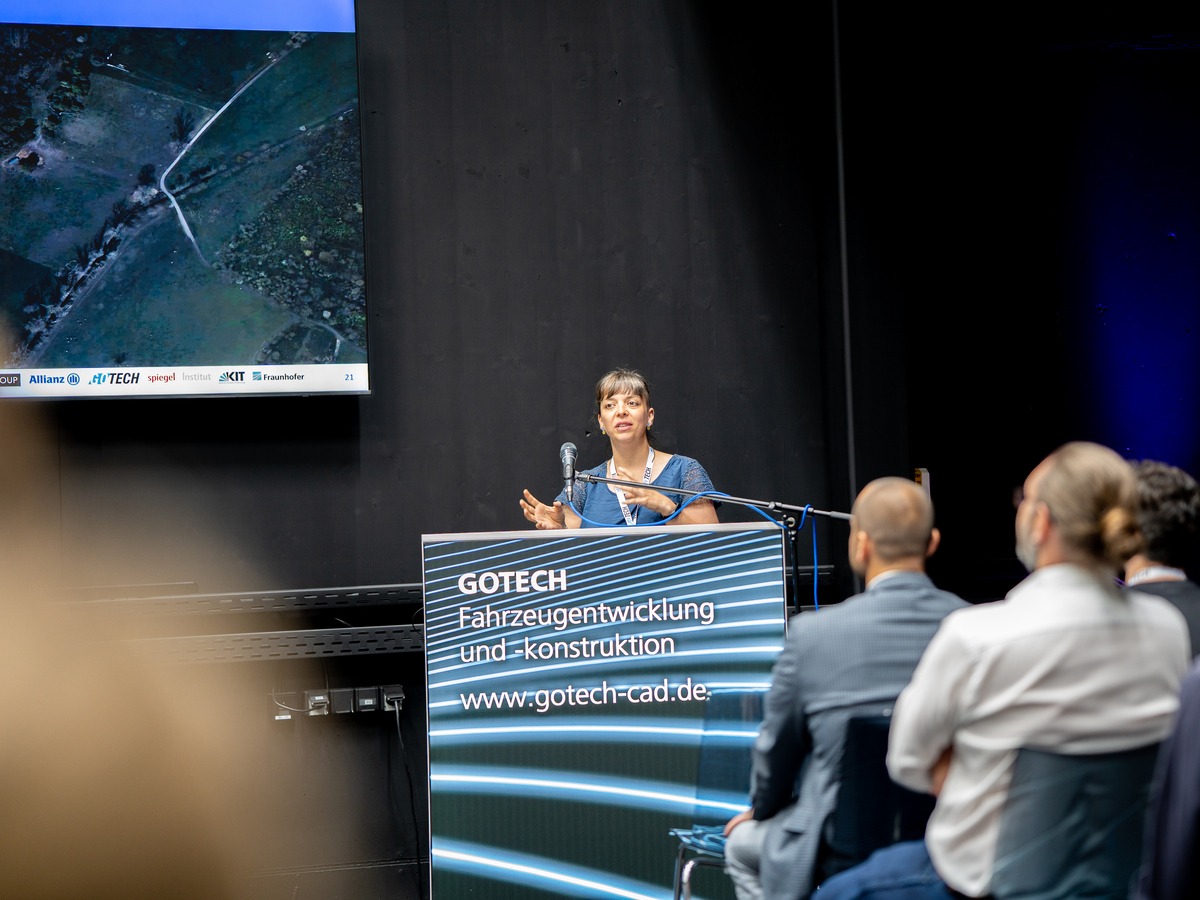
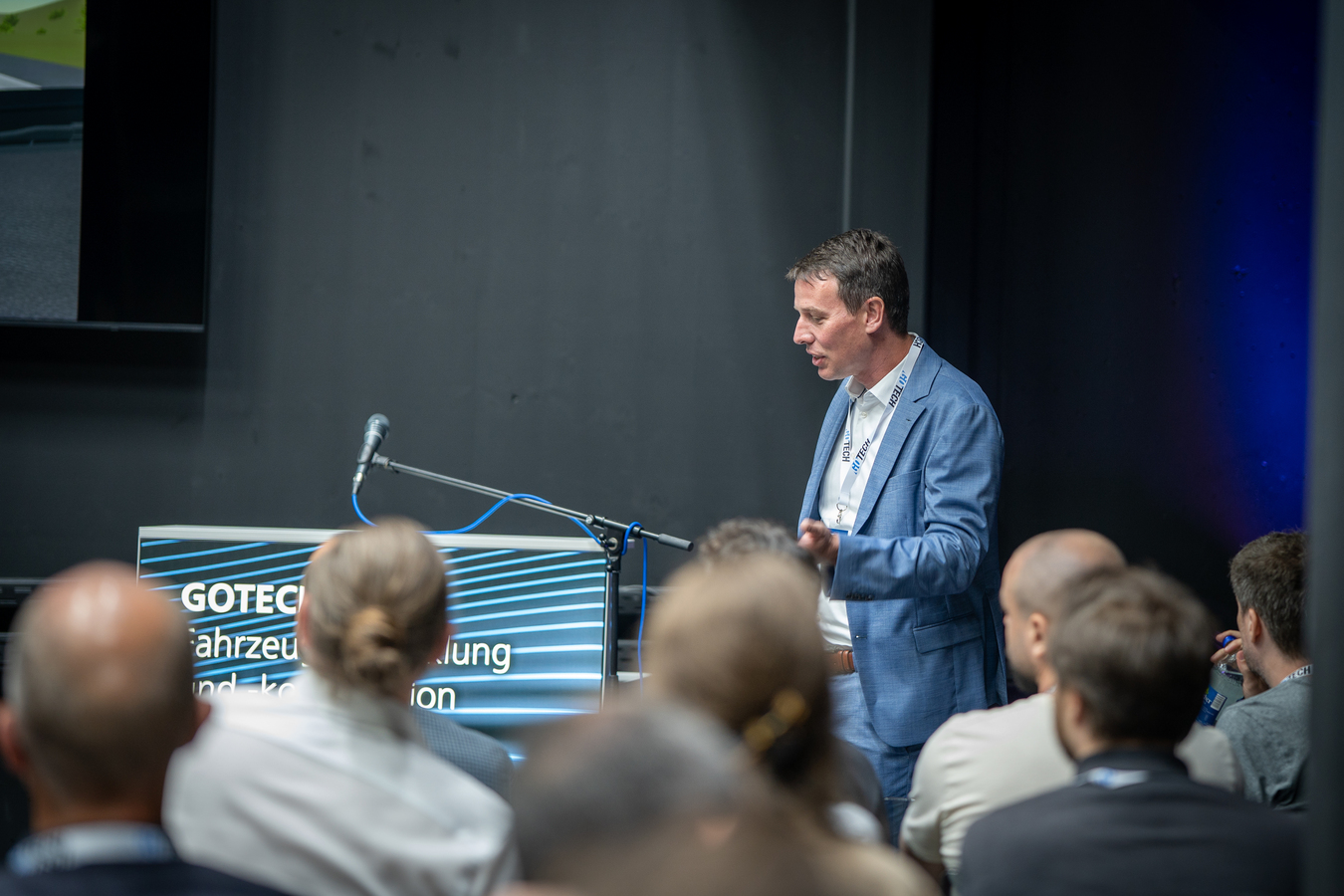
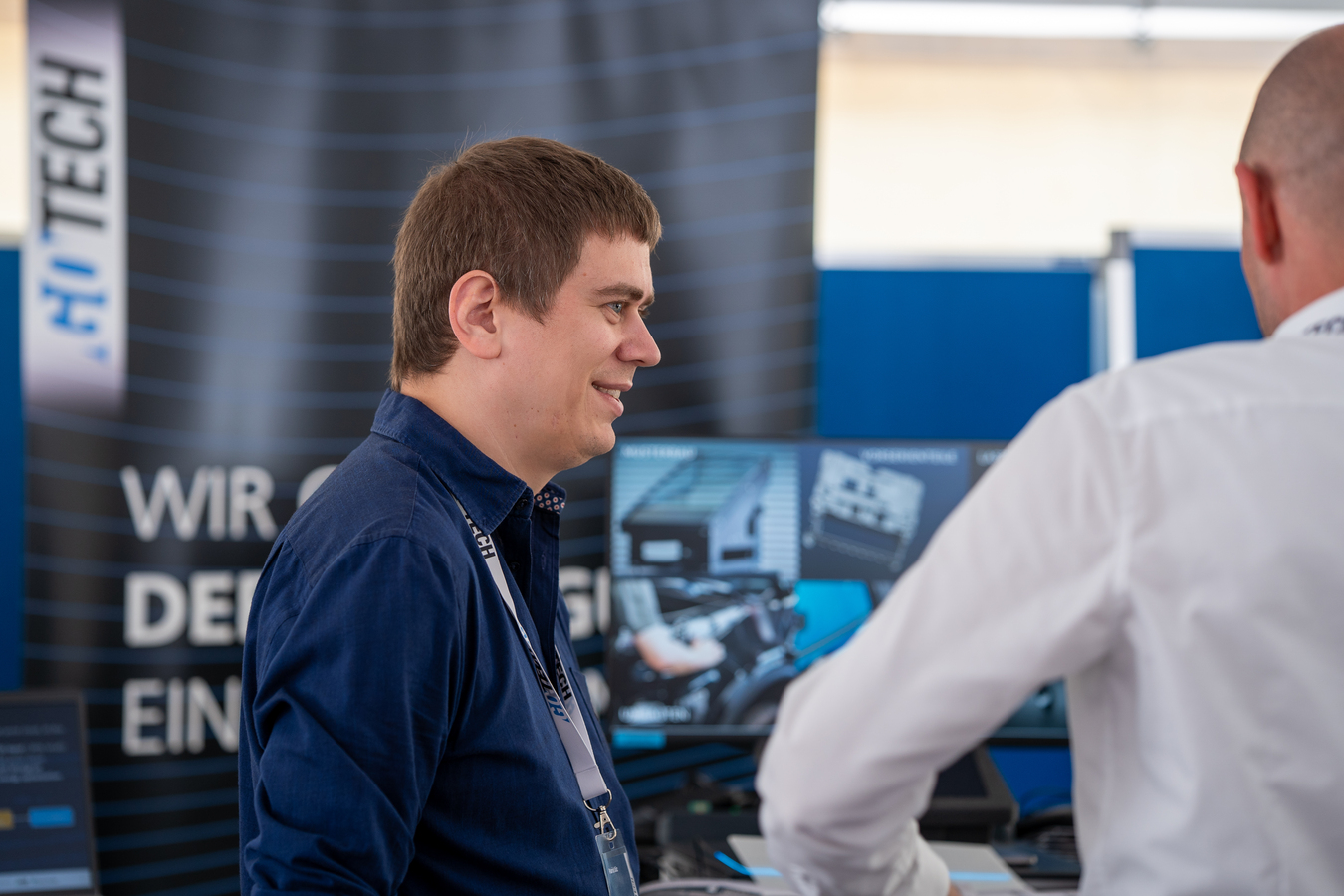
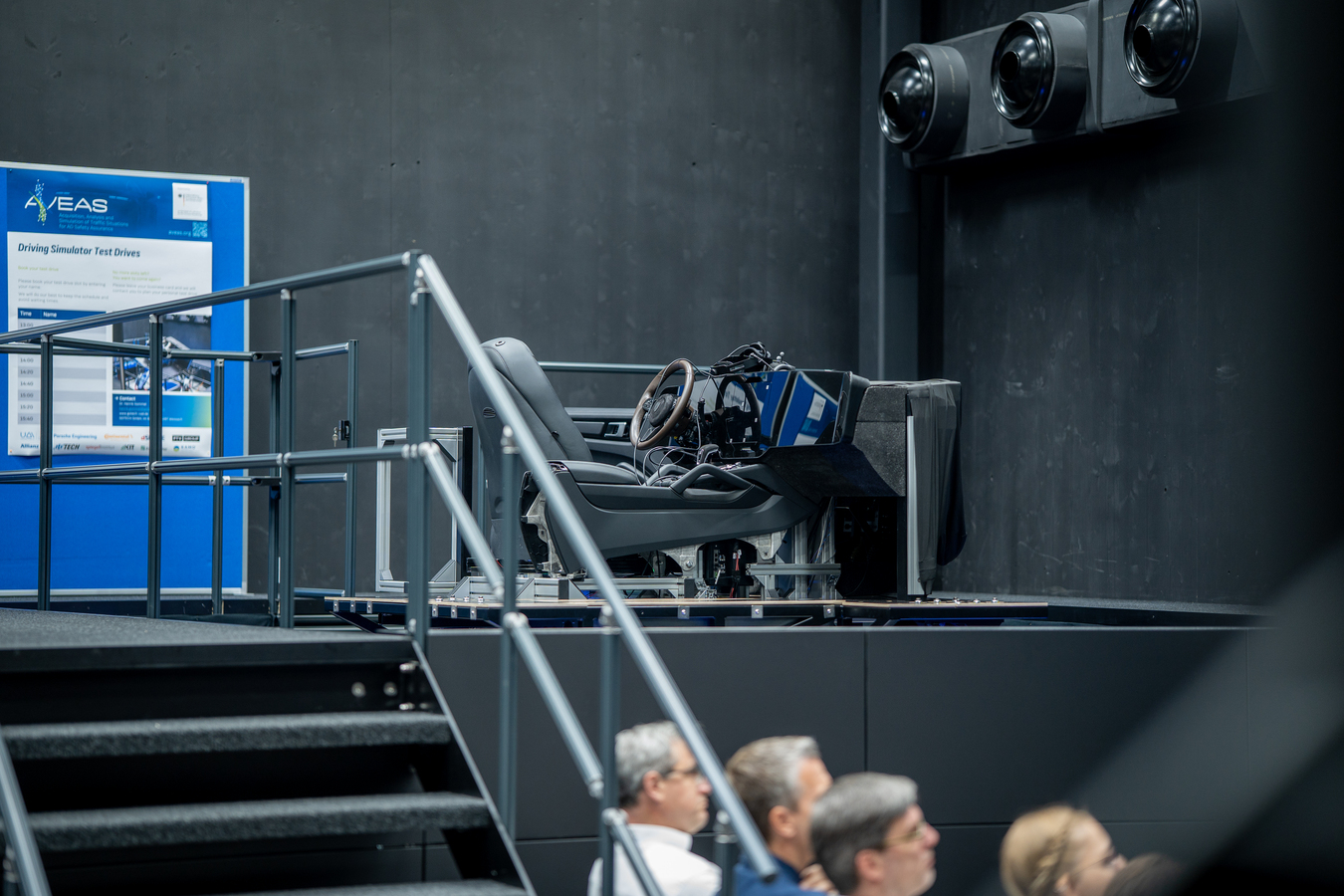
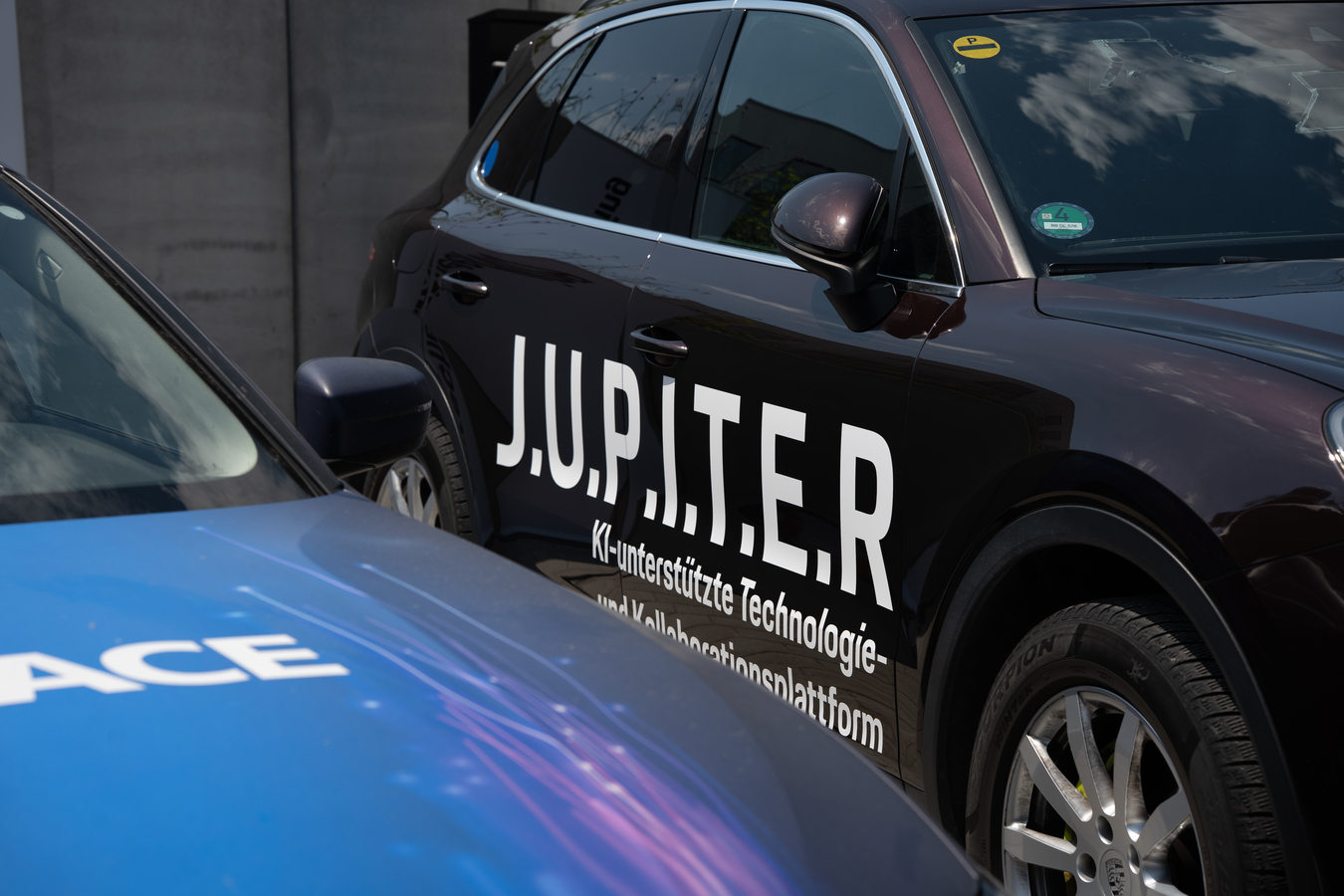
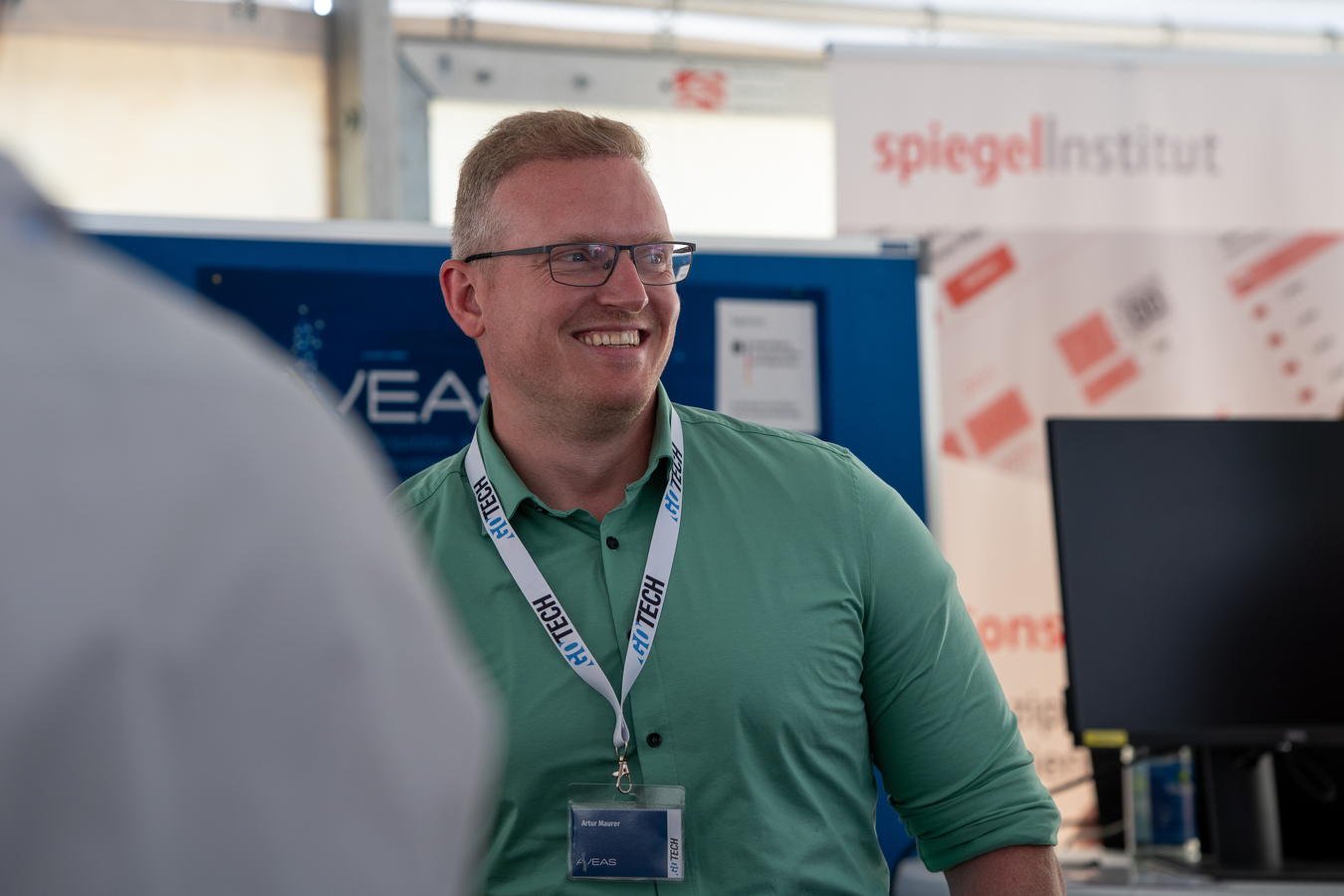
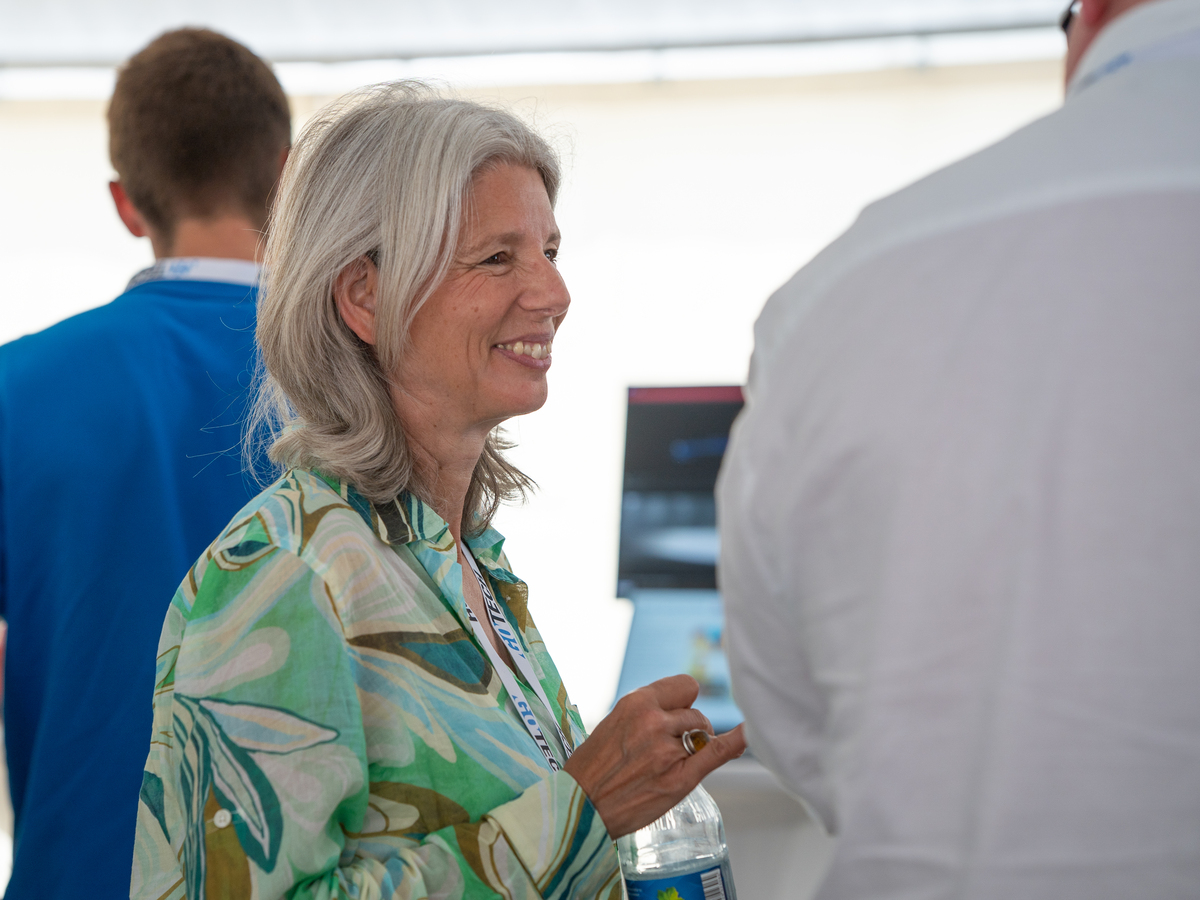
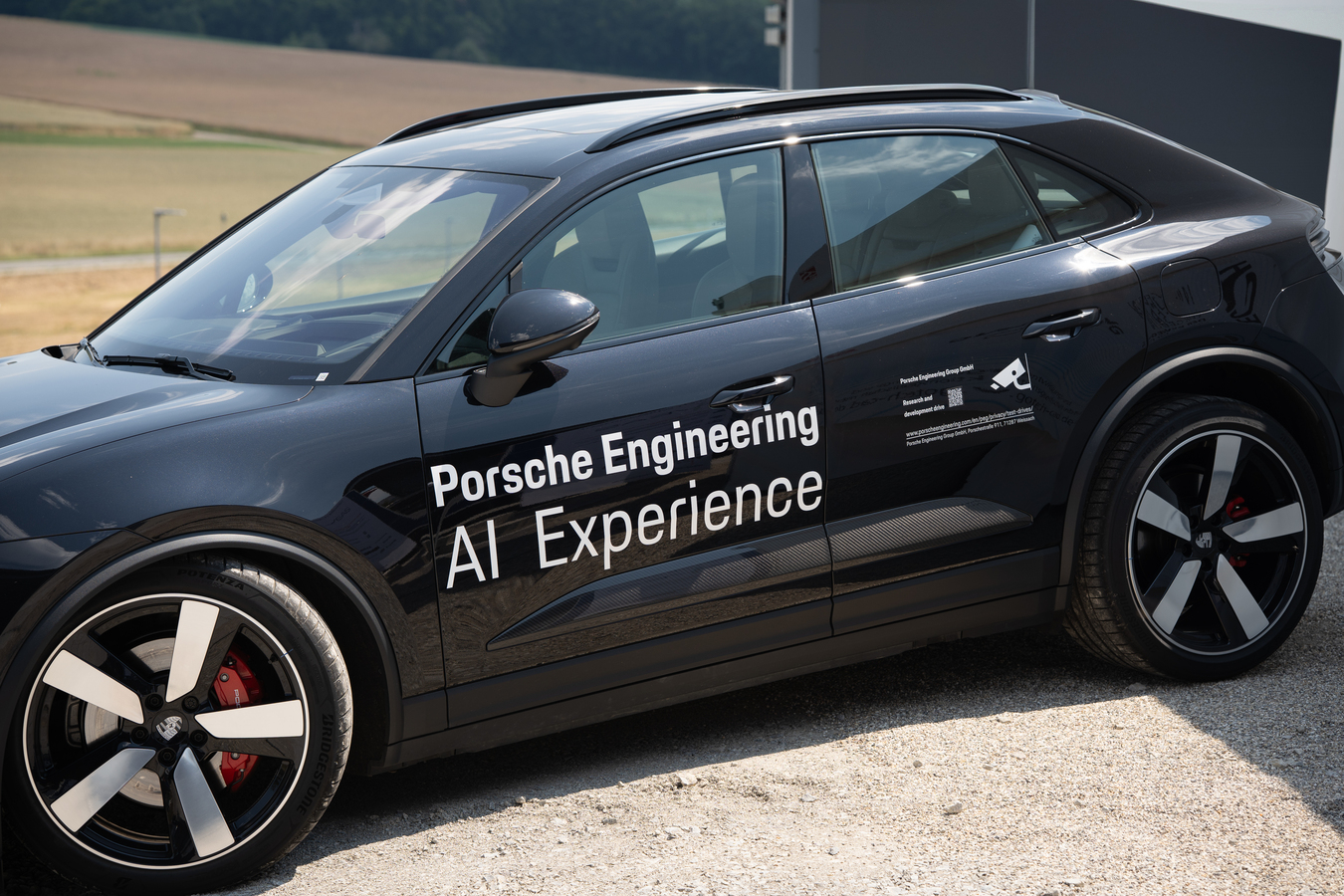
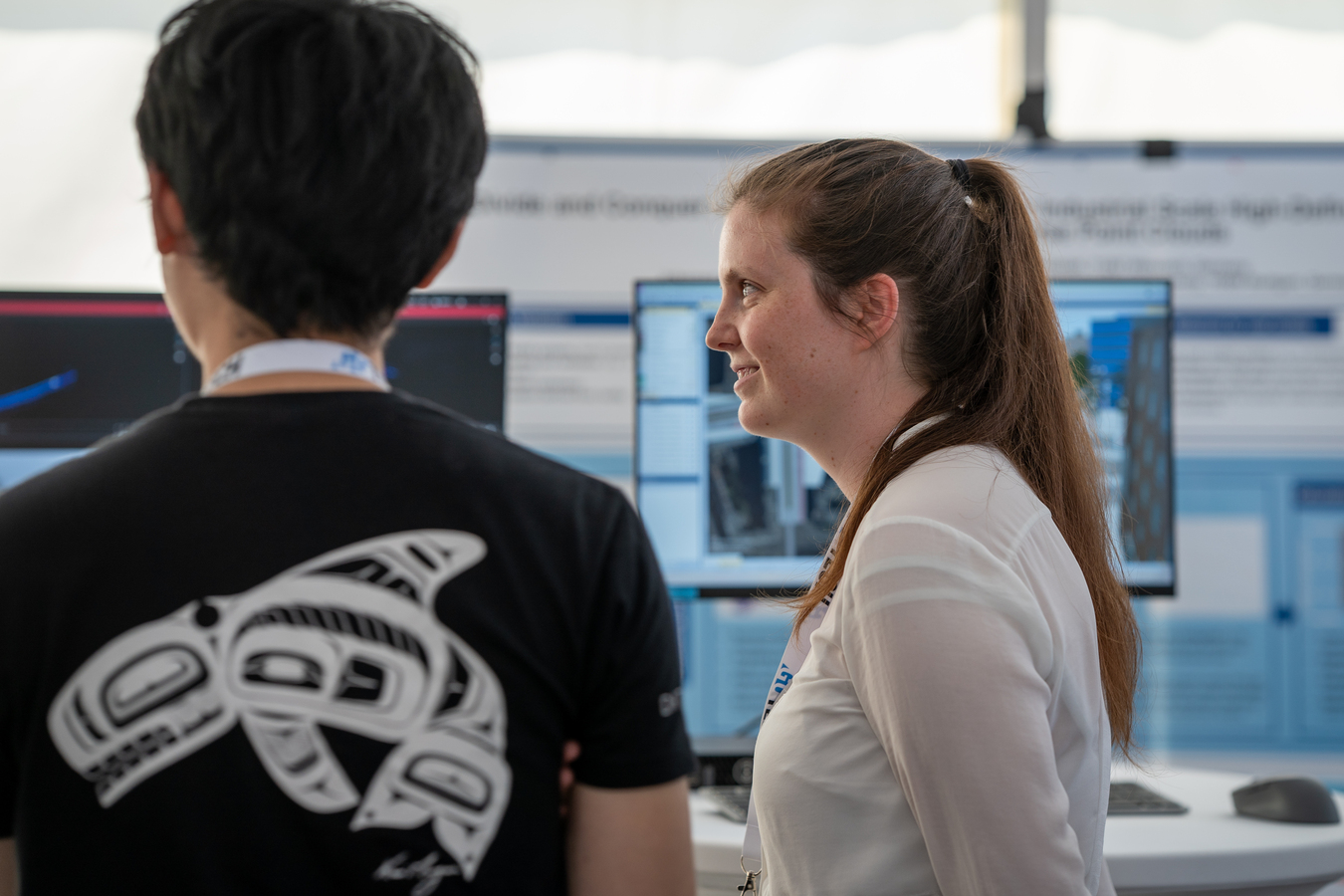
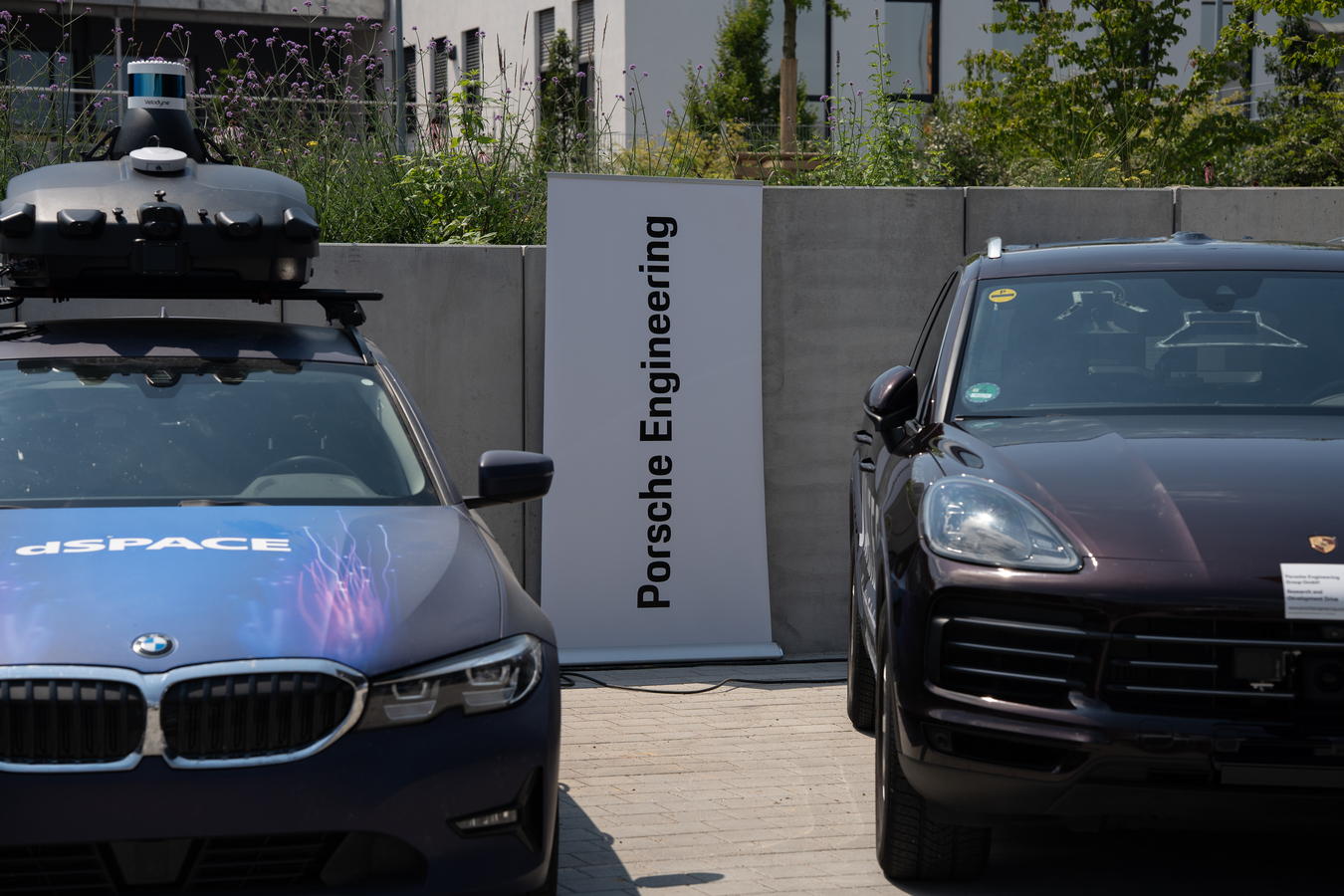
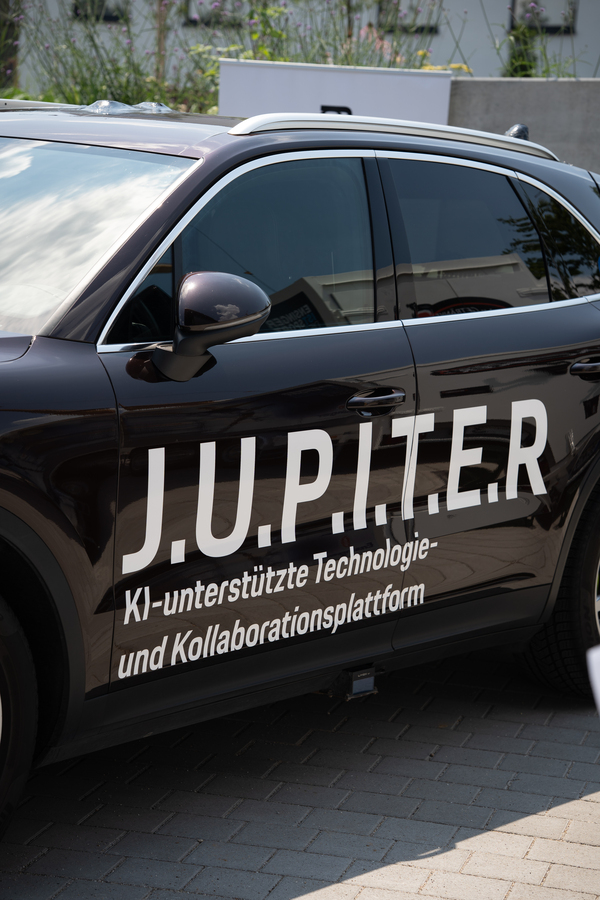
The AVEAS project was successfully completed with the final event in July 2025. This site will still be maintained in to make the results available beyond the project, and to supplement them with subsequent developments. We would like to express our sincere thanks to everyone involved in making the project and its successful conclusion possible, including the Federal Ministry for Economic Affairs and Energy (BMWE) for its funding of over  EUR 6 mio., the project management agency TÜV Rheinland for its persistent support, and the partners, associate partners, and project participants who have driven developments over the past three and a half years. Impressions of the closing event at partner GOTECH GmbH in Weissach-Flacht can be found above.

Consortium

Would you like to know more? Get in touch with our points of contact!